The Growth of Online Video Game Stores
Written by Dana Weber · Aug 2, 2026
The Growth of Online Video Game Stores
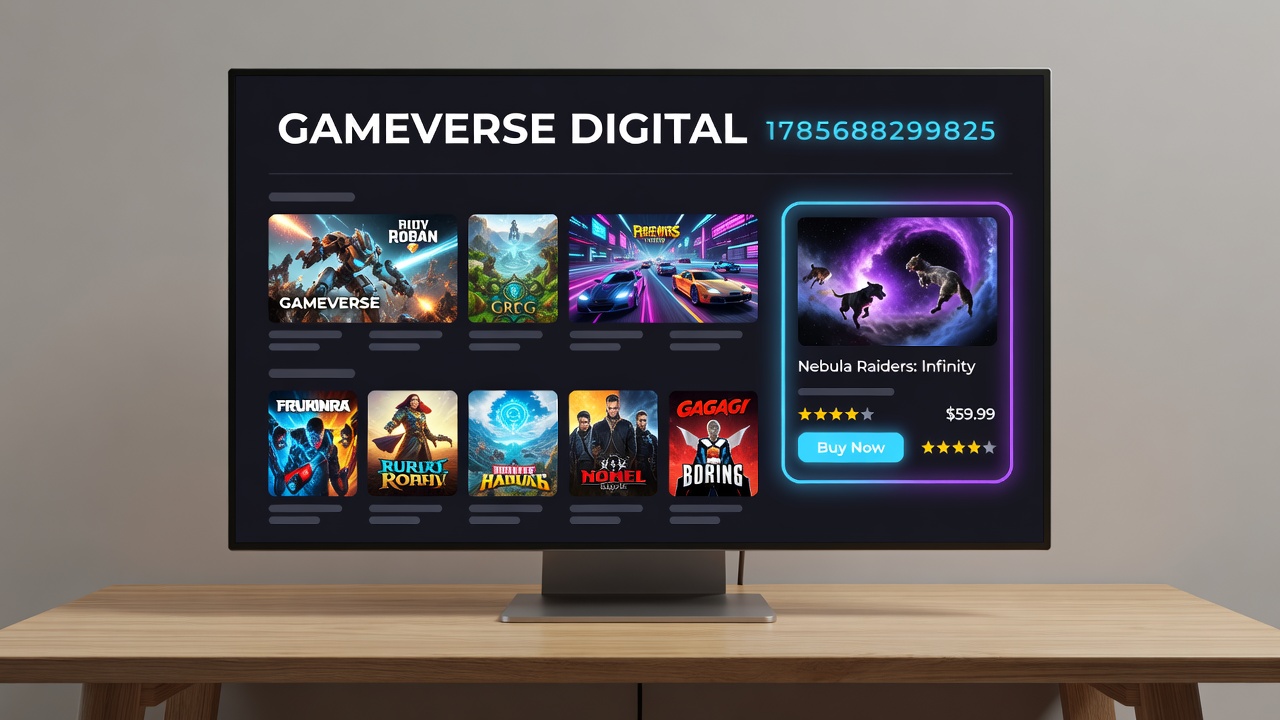
Online video game stores have expanded significantly since their early days as basic digital catalogs, and by August 2026 many platforms integrate advanced inventory systems with global shipping networks that handle millions of transactions each month. Data from the Entertainment Software Association shows that digital and physical sales through these storefronts reached record levels in the preceding year, driven by console releases and expanding handheld libraries across multiple regions.
Platform Infrastructure and Backend Operations
Modern online video game stores rely on layered backend architectures that connect product databases to customer interfaces, and these systems allow real-time updates for stock levels while supporting features such as wish lists and personalized recommendations. Industry reports from the European Games Developer Federation indicate that efficient data synchronization between regional warehouses and central servers reduces delivery times for physical copies, whereas digital downloads bypass logistics entirely through direct server-to-device transfers.
Retail platforms organize titles into searchable categories that include action, strategy, simulation, and role-playing genres, and this taxonomy helps users locate specific releases without navigating endless lists. Observers note that integrated search tools powered by machine learning algorithms improve discovery rates, especially when users filter results by release date, platform compatibility, or multiplayer options.
Market Trends Observed in 2026
Figures from Statistics Canada reveal steady growth in cross-border purchases through online video game stores, with Canadian consumers increasingly ordering from both domestic and international sites to access limited editions or region-specific content. In August 2026, several major platforms reported spikes in pre-order activity tied to upcoming seasonal promotions, and these patterns align with broader shifts toward hybrid purchasing models that combine digital access with optional physical collectibles.
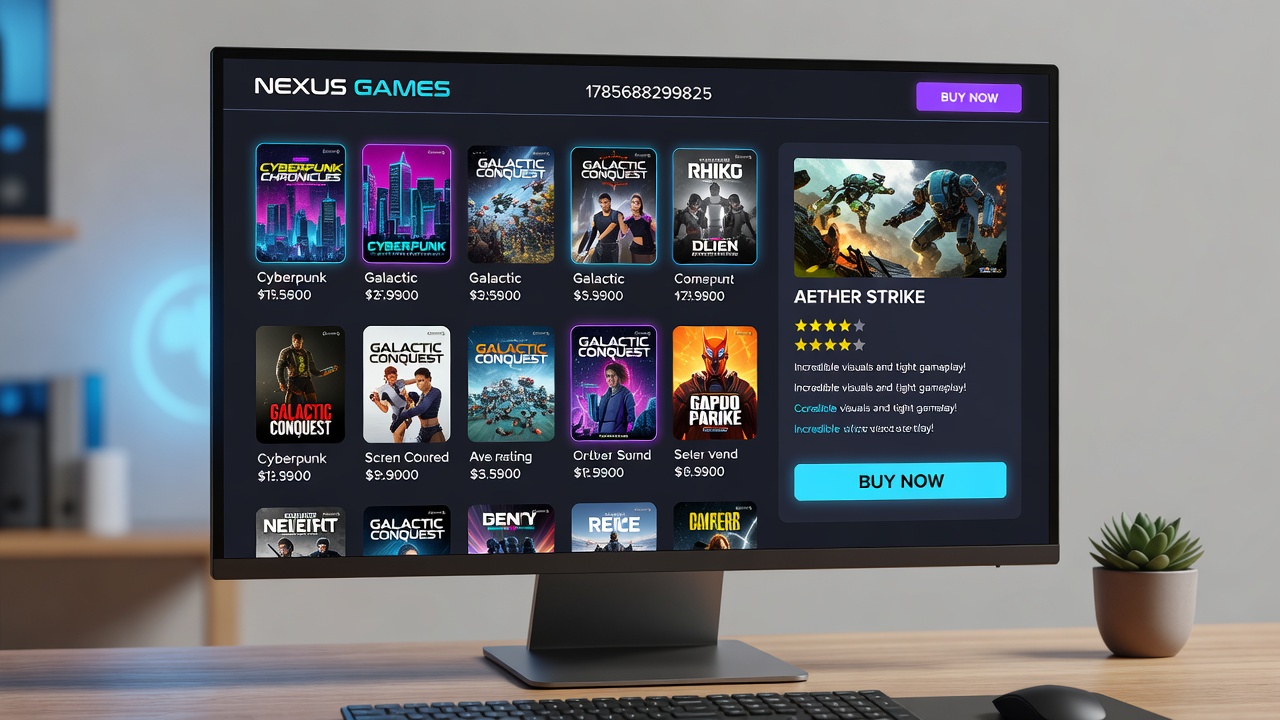
Payment processing within these stores incorporates diverse methods including credit cards, digital wallets, and region-specific services, and this flexibility supports broader participation from users in different economic zones. Research published by the University of Melbourne's Games Research Lab highlights how streamlined checkout flows contribute to higher completion rates, particularly when stores offer localized pricing that accounts for currency fluctuations and tax regulations.
Category Organization and User Navigation
Store operators maintain detailed category structures that group games by hardware generation, developer, or thematic elements, and these frameworks evolve as new consoles enter the market. Those who manage large inventories often update classification systems quarterly to reflect emerging genres and bundled offerings, which helps maintain accurate search results across desktop and mobile interfaces.
Analytics tools embedded in many platforms track browsing patterns and purchase histories, allowing administrators to adjust featured sections based on aggregate user behavior rather than individual preferences. Data sets compiled by the Interactive Games and Entertainment Association in Australia demonstrate that such adjustments correlate with increased engagement metrics during peak shopping periods like holiday seasons or major gaming expos.
Logistics and Fulfillment Networks
Physical distribution channels connected to online video game stores utilize coordinated shipping partners that span multiple continents, and these networks manage everything from standard mail delivery to expedited options for time-sensitive releases. Reports issued by the UK Office for National Statistics document rising volumes of gaming-related parcels processed through domestic postal services, underscoring the scale of e-commerce activity in this sector.
Digital storefronts complement these operations by providing instant access codes or direct downloads, which eliminates transit delays for users who prefer immediate play. Integration between physical and digital inventories allows some stores to offer combined packages where a boxed edition includes bonus digital content, and this approach appears in various product listings throughout 2026.
Conclusion
Online video game stores continue to adapt their interfaces, categorization methods, and fulfillment processes in response to changing consumer habits and technological capabilities. Information from regulatory bodies and academic institutions across North America, Europe, and Asia-Pacific regions provides ongoing snapshots of these developments, showing how backend efficiencies and front-end usability together shape the current marketplace.