Modern Online Video Game Stores and Their Role in Global Retail
Written by Frankie Franke · Jul 26, 2026

Modern Online Video Game Stores and Their Role in Global Retail
Online video game stores operate as digital platforms that connect publishers with consumers across multiple regions while handling both physical shipments and digital downloads through integrated backend systems. Data from industry reports indicate steady expansion in this sector through the first half of 2026 with transaction volumes reflecting shifts toward hybrid purchasing models.
Platform Architecture and Category Organization
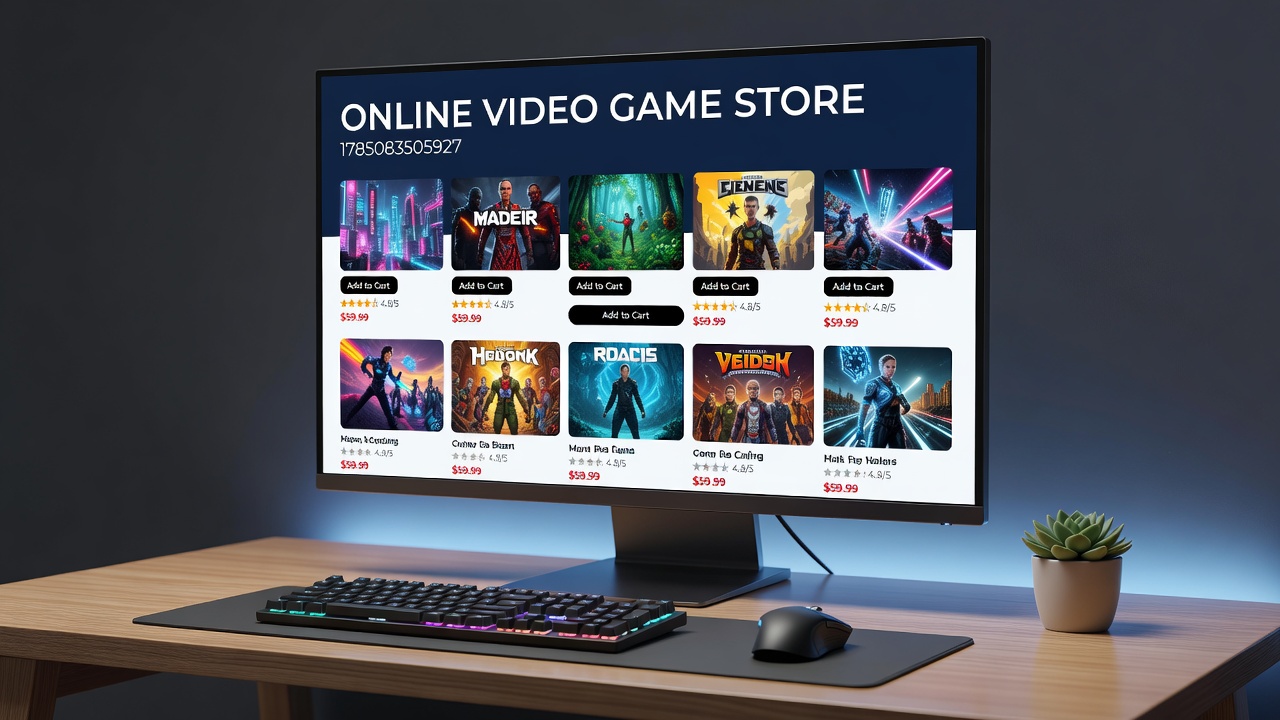
Retail platforms maintain structured taxonomies that group titles by console generation, genre classifications, and hardware compatibility so users can locate products efficiently. Observers note these systems rely on metadata frameworks that update dynamically as new releases enter the market and older catalog items receive refreshed tags based on regional demand patterns. Research conducted by academic institutions shows category mapping influences discovery rates with clear hierarchies reducing navigation time for shoppers.
Market Trends Observed in July 2026
Figures released during July 2026 highlight increased cross-border transactions on major storefronts as consumers seek region-specific editions and limited physical runs. According to the Entertainment Software Association, digital sales continue to represent a growing share of overall revenue while physical media maintains relevance in collector segments. Those who track logistics data find fulfillment networks adapting to accommodate faster delivery windows without compromising inventory accuracy across warehouses.
Industry organizations report that storefronts now incorporate real-time stock indicators alongside recommendation engines that draw from purchase histories and browsing sessions. This integration allows platforms to surface relevant accessories and related titles automatically while maintaining compliance with age rating standards enforced by bodies such as the Australian Classification Board.
Consumer Access and Regulatory Considerations
Access to online video game stores varies by jurisdiction because of differing content rating requirements and payment processing rules. Researchers at European universities have documented how storefront operators implement geo-specific filters that align with local legislation yet still permit users to view broader catalogs when appropriate disclosures appear. Data shows these adaptations support continued growth without triggering additional compliance burdens for international sellers.
Payment systems integrated into these platforms handle multiple currencies and regional processors which reduces friction during checkout. Observers note that security protocols meet standards set by financial regulators in various countries thereby maintaining consumer trust across diverse markets. Studies from trade associations reveal that streamlined return policies further encourage repeat purchases particularly when digital items include clear refund windows.
Logistics and Inventory Management
Backend processes coordinate between suppliers and distribution centers so popular items remain available during peak periods. Evidence from supply chain analyses indicates that predictive stocking models help platforms anticipate demand spikes associated with seasonal releases or franchise anniversaries. Those managing large inventories find that automated alerts prevent stockouts while excess units move through promotional channels rather than remaining idle.
Third-party sellers increasingly participate on established storefronts through vetted programs that verify product authenticity. Reports from Canadian regulatory sources emphasize the importance of transparent seller ratings which allow buyers to assess reliability before completing transactions. This layered approach supports both established publishers and smaller developers seeking wider exposure.
Future Developments in Retail Infrastructure
Analysts project continued refinement of user interfaces that incorporate augmented elements for product previews and virtual try-ons of merchandise. Academic papers published in 2025 and early 2026 discuss potential applications of machine learning to refine search results based on aggregate behavior while preserving individual privacy. Platforms that adopt these tools report measurable improvements in conversion metrics according to internal benchmarks shared with industry groups.
Conclusion
Online video game stores function as multifaceted retail environments that balance technological infrastructure with regulatory adherence and consumer expectations. Information compiled through mid-2026 demonstrates sustained adaptation to shifting market conditions while preserving core functions of product discovery and secure transaction handling. Continued observation of these systems reveals patterns that inform both operators and participants in the broader gaming economy.