Exploring Relational Database Models for Video Game Merchandise: Uniting Platform Genres with Niche Accessory Types in Digital Sales Environments
Written by Vera Franke · Jun 5, 2026
Exploring Relational Database Models for Video Game Merchandise: Uniting Platform Genres with Niche Accessory Types in Digital Sales Environments
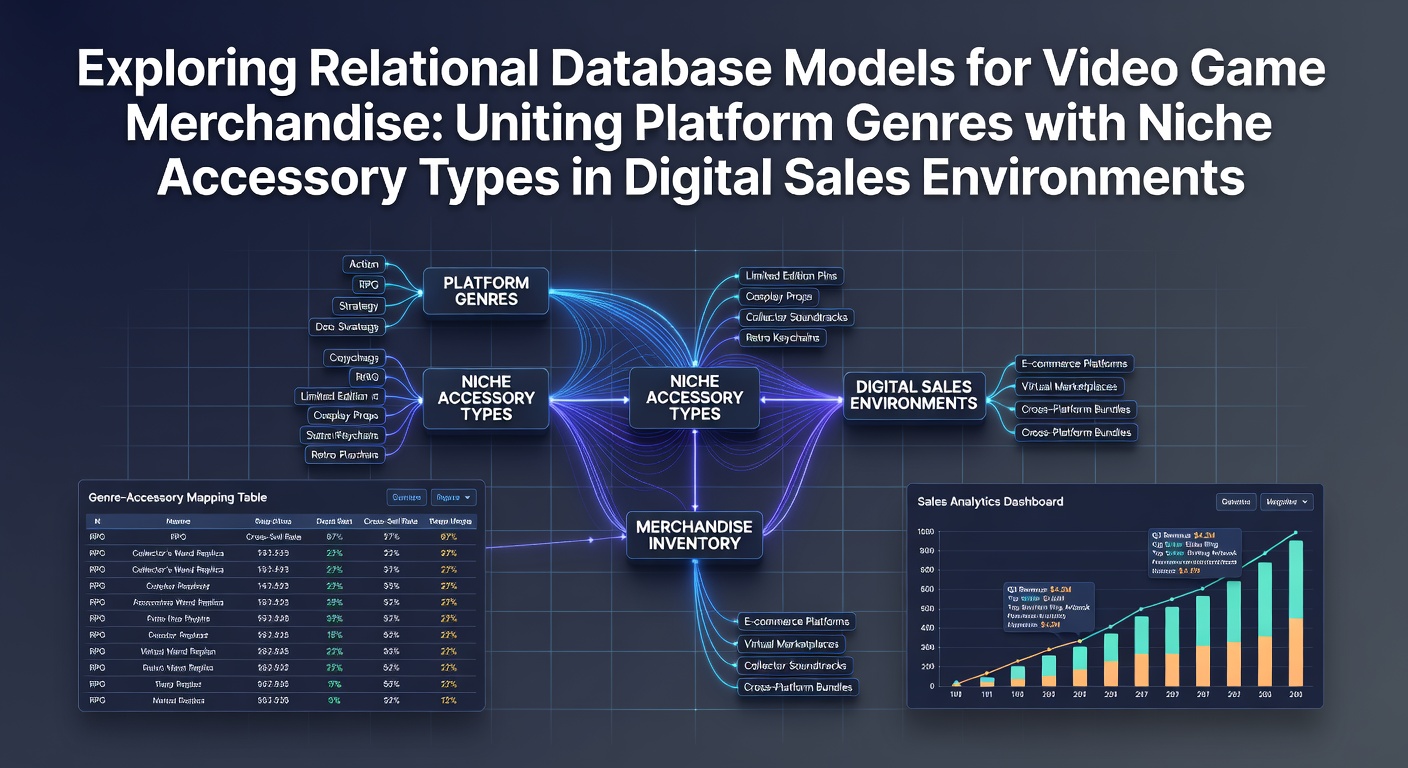
Relational database models serve as the backbone for organizing video game merchandise across digital sales platforms, where tables link platform data with genre classifications and accessory specifications through primary and foreign keys. These structures allow retailers to maintain consistency when product inventories expand to include console releases, handheld libraries, and specialized items like mounting hardware or protective cases. Data normalization reduces redundancy while preserving query efficiency during customer searches that filter by platform compatibility or genre preferences.
Core Components of Relational Schemas in Gaming Retail
Tables in these systems typically include entities for products, platforms, genres, and accessories, with junction tables handling many-to-many relationships such as a single action title appearing across multiple console generations or an accessory supporting several device types. Primary keys identify unique records like individual game SKUs, whereas foreign keys connect those records to broader categories without duplicating information. Observers note that this setup supports scalable searches where users narrow results by combining criteria like genre tags with accessory compatibility filters.
Database administrators implement constraints and indexes to enforce data integrity, ensuring that accessory records reference valid platform entries and genre associations remain consistent across updates. When new merchandise arrives, such as limited-edition controllers or travel mounts, the relational model accommodates insertions through structured queries that maintain referential integrity across related tables. Research indicates these approaches cut down on errors during high-volume uploads common in peak sales periods.
Linking Platform Genres with Accessory Categories
Platform genres encompass classifications like first-person shooters, role-playing adventures, and puzzle collections that map directly to console families through relational joins. Accessory types occupy separate tables yet connect via associative entities that record compatibility rules, such as which stands fit particular handheld models or which cases align with specific controller layouts. This architecture lets sales environments generate dynamic product bundles where genre-based recommendations surface alongside relevant niche items without manual recategorization.
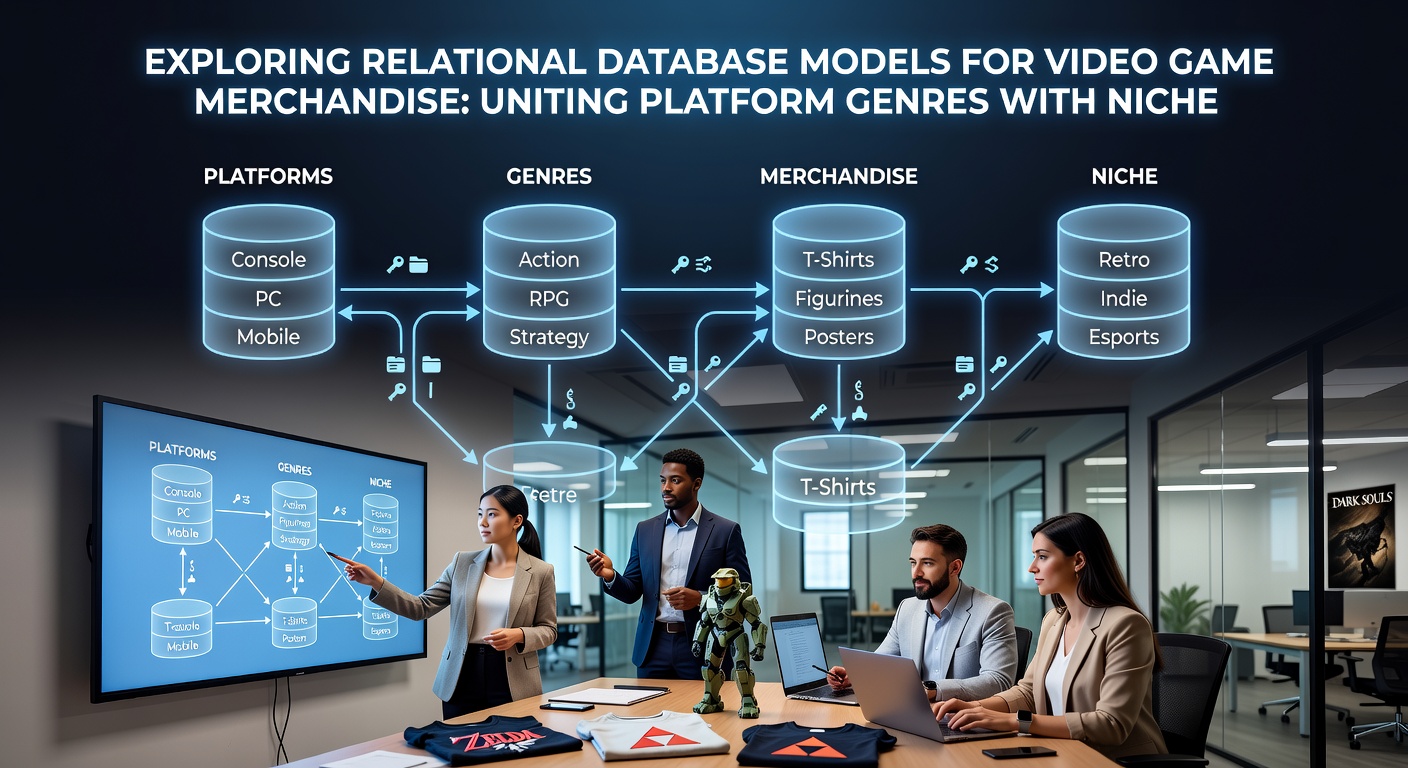
Analysts track how these connections evolve when platforms release updated hardware revisions, requiring schema adjustments that propagate through foreign key relationships rather than rewriting entire datasets. In June 2026, several major digital storefronts reported schema enhancements that incorporated expanded accessory classifications for portable gaming mounts, driven by increased demand for travel-oriented merchandise. Figures from the Interactive Software Federation of Europe show corresponding rises in cross-category queries handled by relational systems during that period.
Query Performance and Data Flow Patterns
Structured Query Language operations pull together information from multiple tables using joins that reveal patterns such as genre popularity within specific platform ecosystems or accessory sales tied to particular game franchises. Indexing strategies on frequently filtered columns like genre identifiers or platform codes accelerate response times during user navigation through digital catalogs. Those who manage these systems report that optimized queries support real-time inventory checks that reflect accessory availability alongside game stock levels.
Data flows originate from supplier feeds that populate base tables, then move through transformation layers that establish genre and accessory linkages before reaching customer-facing interfaces. Validation routines catch mismatches, such as an accessory record lacking a valid platform reference, before they affect search results or order processing. Academic studies published through the Association for Computing Machinery highlight similar efficiencies in e-commerce environments handling multimedia product lines.
Adaptations for Expanding Merchandise Lines
As digital marketplaces introduce new accessory categories or refine genre taxonomies, relational models accommodate changes through table alterations and view updates that preserve existing data relationships. Migration scripts transfer historical records while enforcing new constraints, minimizing disruption to ongoing sales operations. Retail platforms that adopt these flexible designs handle seasonal surges without requiring complete system overhauls.
Integration with analytics tools pulls aggregated data from these databases to identify trends like rising interest in aviation-themed mounts paired with portable puzzle titles. Such insights feed back into category management, where administrators adjust relational mappings to reflect emerging customer preferences without altering core schema logic.
Conclusion
Relational database models continue to provide structured methods for uniting platform genres with niche accessory types in video game merchandise environments, supporting accurate categorization and efficient retrieval across digital sales channels. Their use of linked tables and enforced relationships maintains data consistency as inventories grow and market conditions shift through periods like June 2026. Continued refinements in schema design and query optimization sustain these systems as essential infrastructure for retail platforms managing diverse gaming product lines.